


Ceramic kitchens: design a space to suit your style
Design a kitchen where every surface works together. Porcelanite wall and floor tiles allow you to create compositions suited to the style, layout and use of each space, from contemporary kitchens to interiors inspired by nature.
Ceramic tiles, design and personality for your kitchen
The ceramic tiles for kitchens combine design and functionality across walls and floors. At Porcelanite, you will find ceramic wall and floor tiles in a variety of formats, colours, textures and finishes to design a kitchen suited to your space and style.
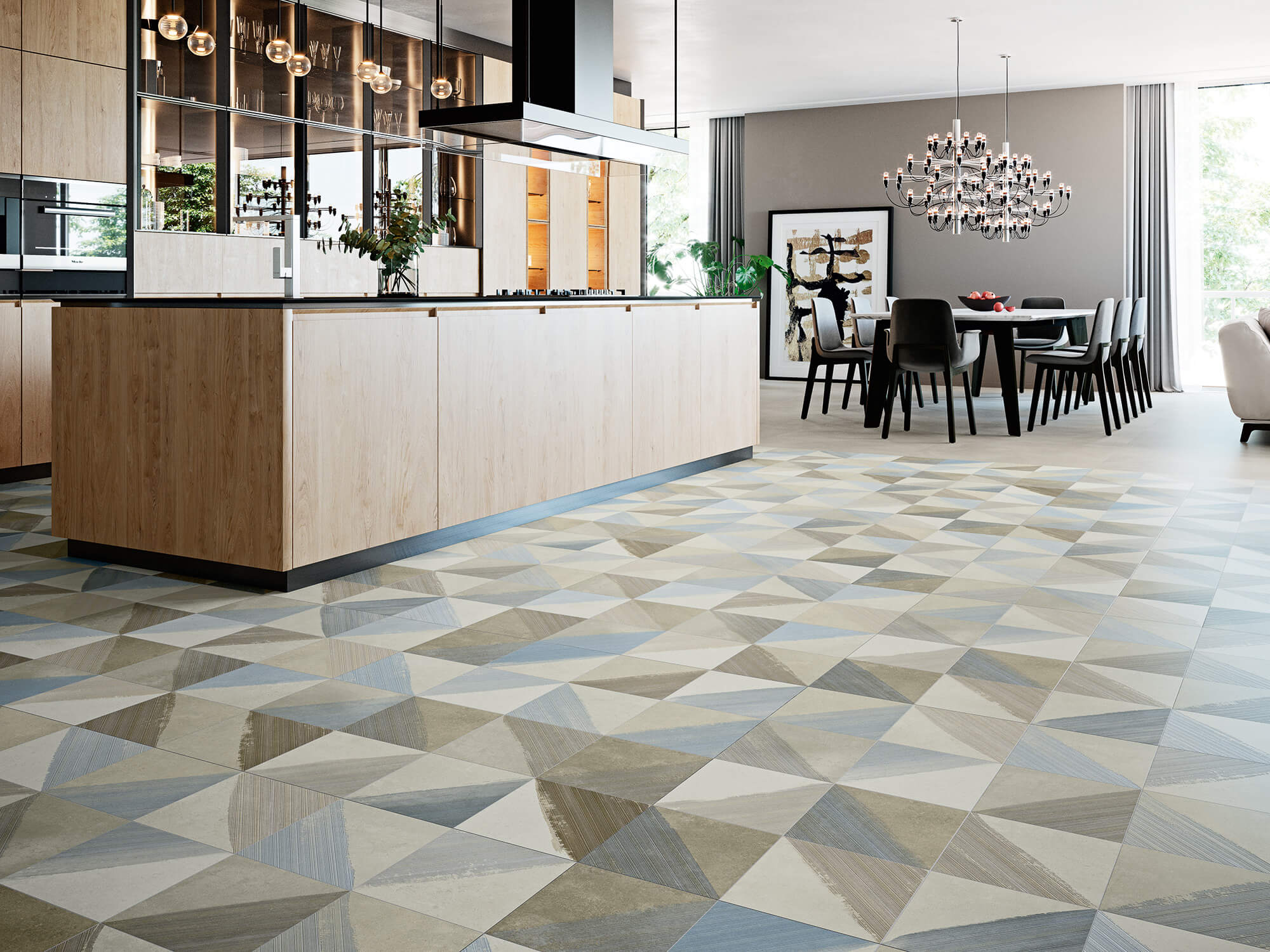
Find the kitchen style you are looking for
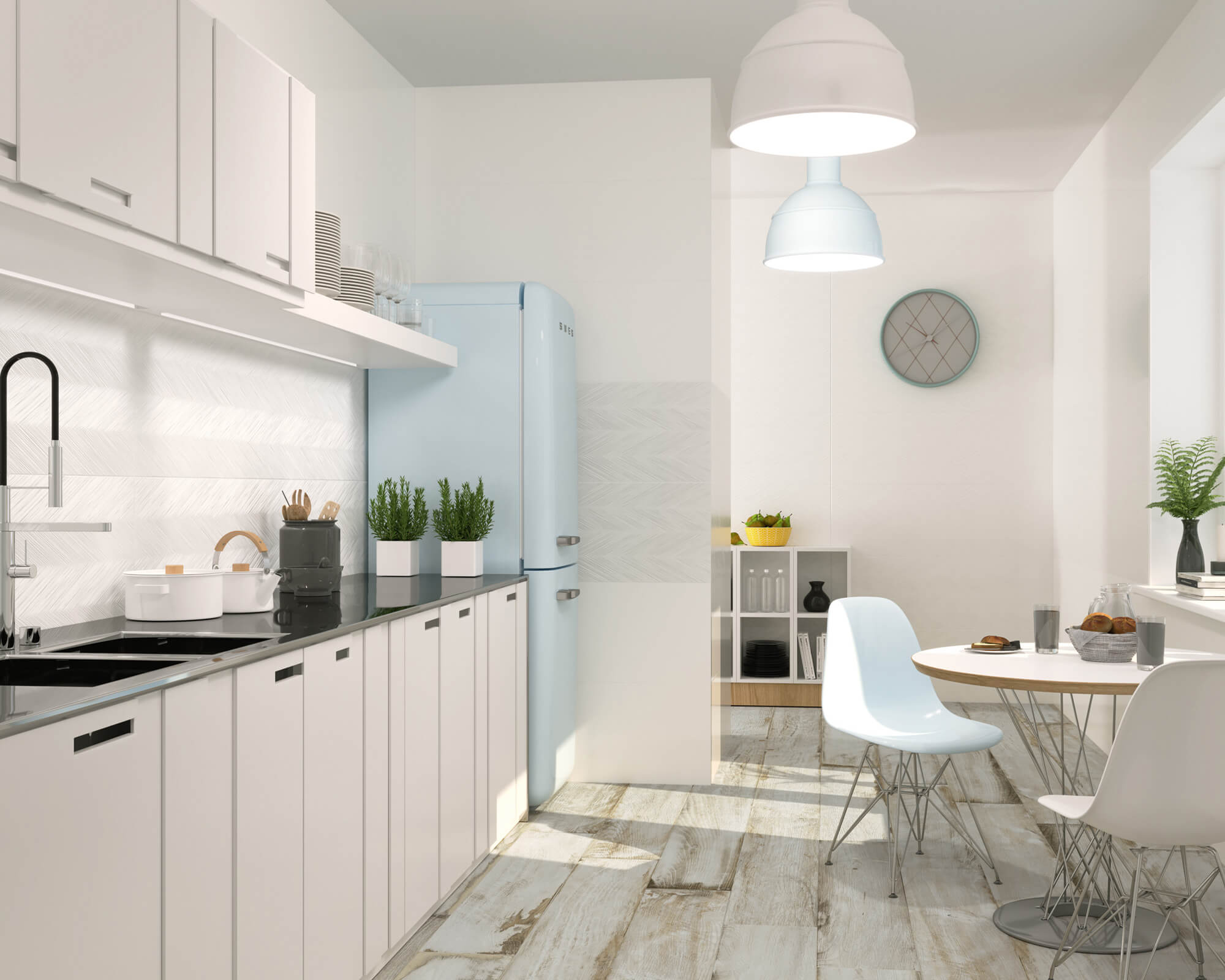
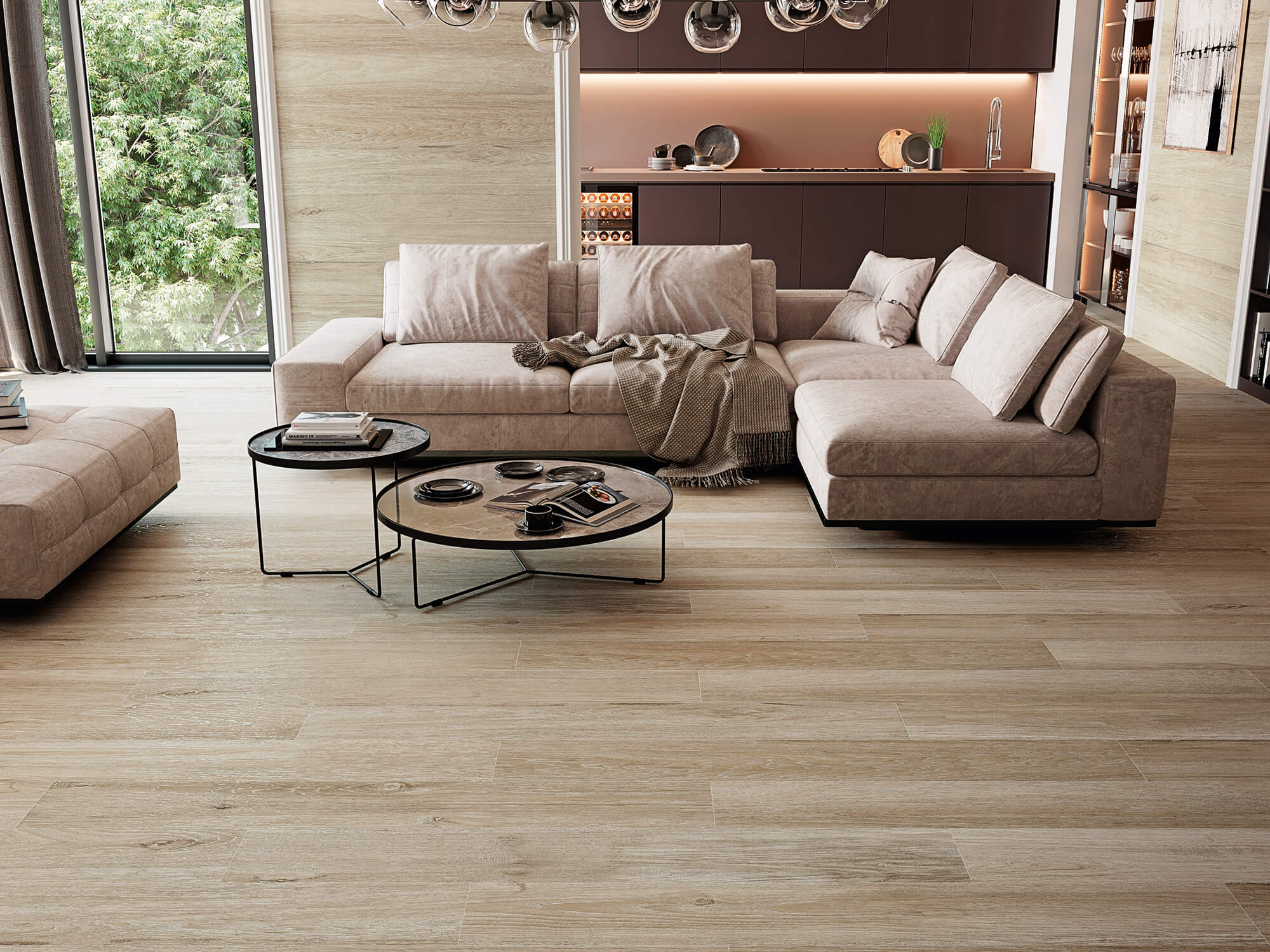
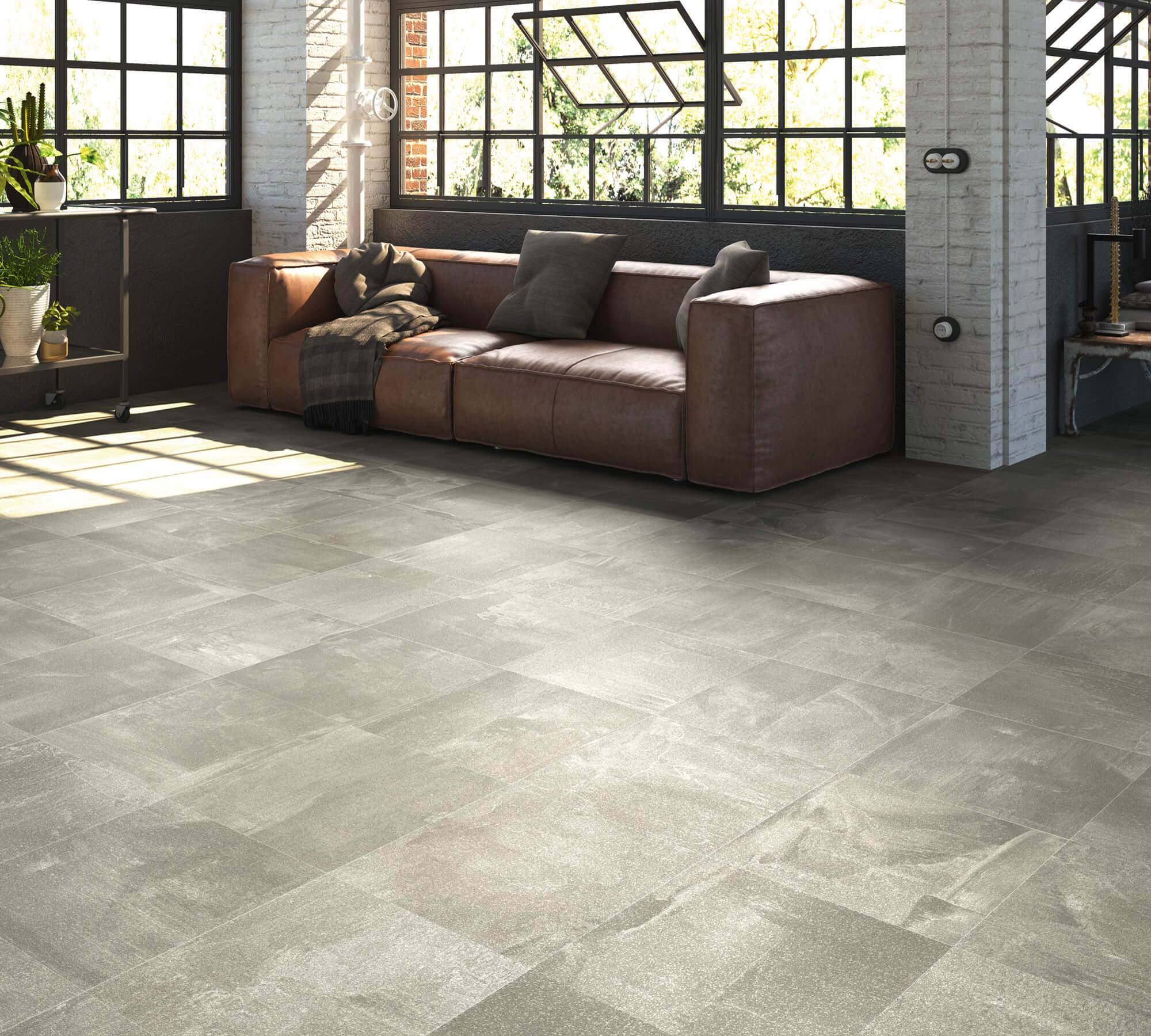
The style of a kitchen is defined by the combination of colours, surfaces, formats, textures and finishes. Ceramic tiles can be used to create everything from modern, minimalist kitchens to rustic spaces, small kitchens and open-plan kitchens connected to the living area.
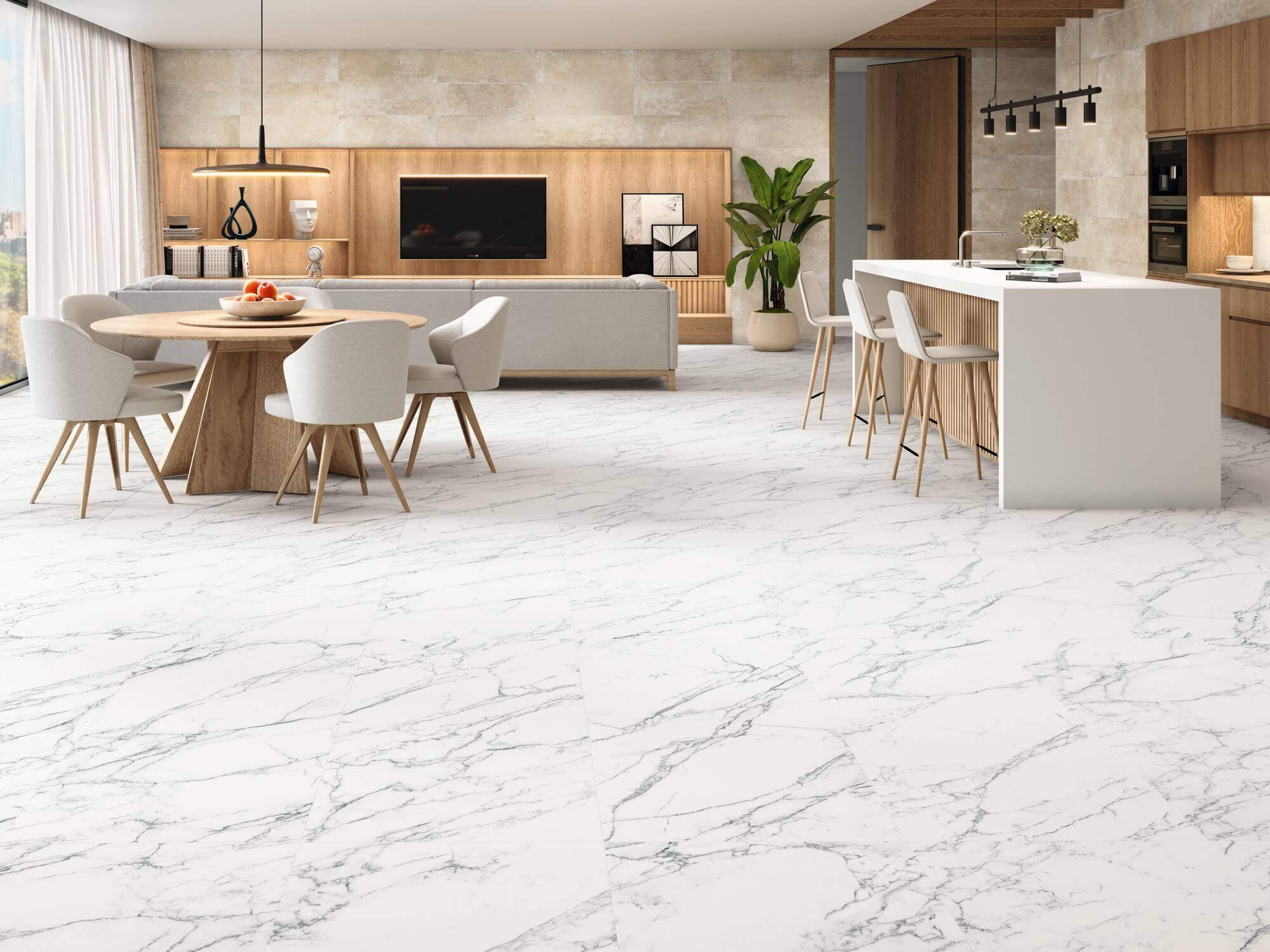

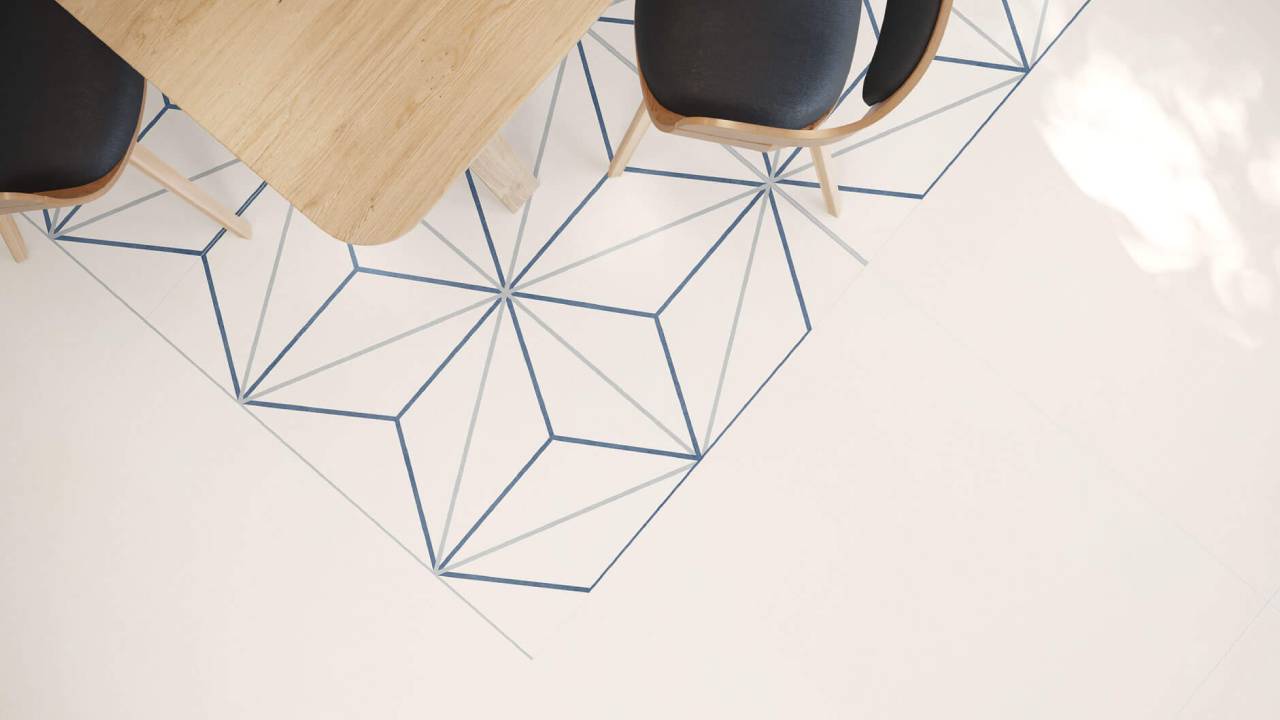
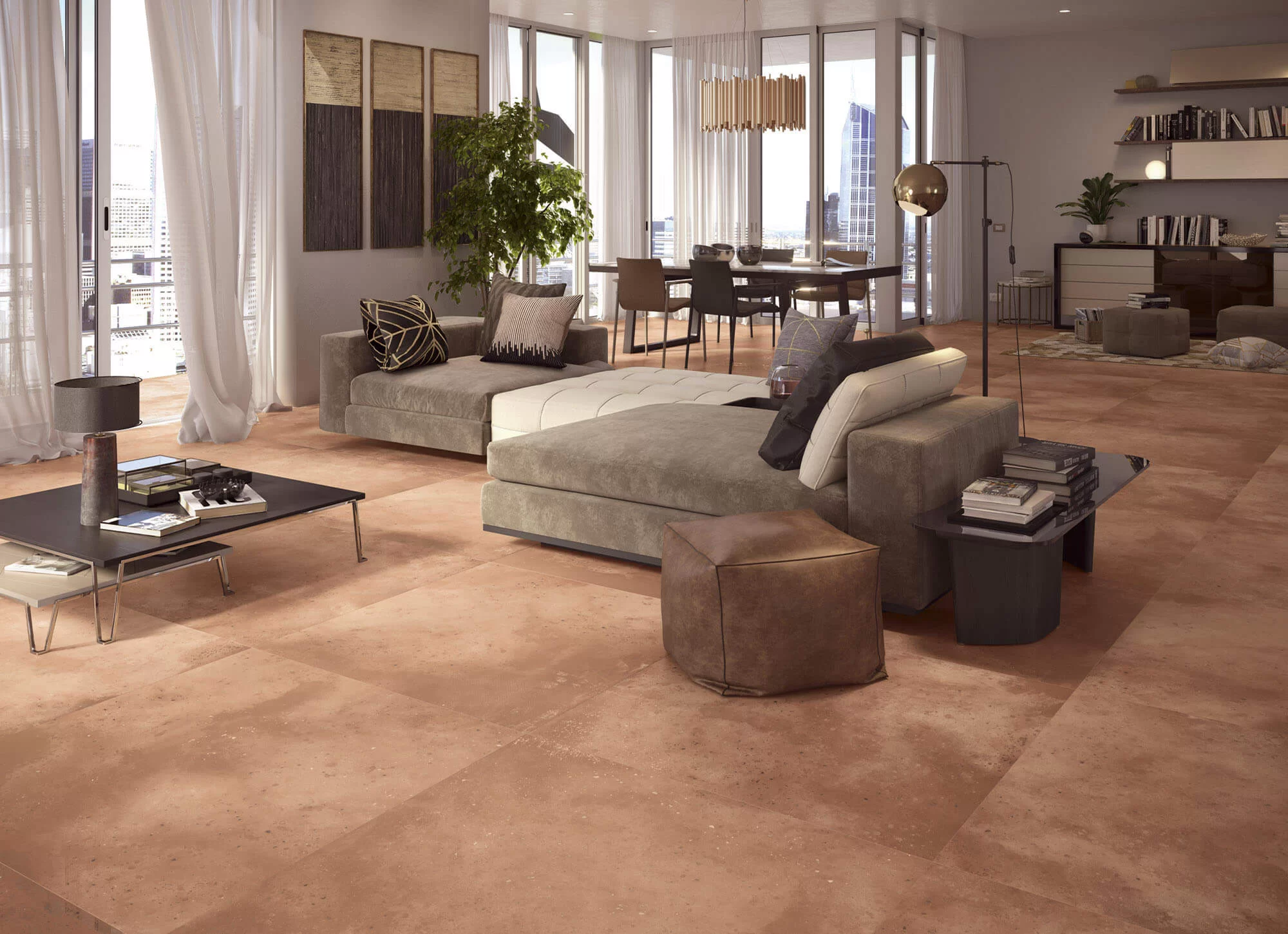
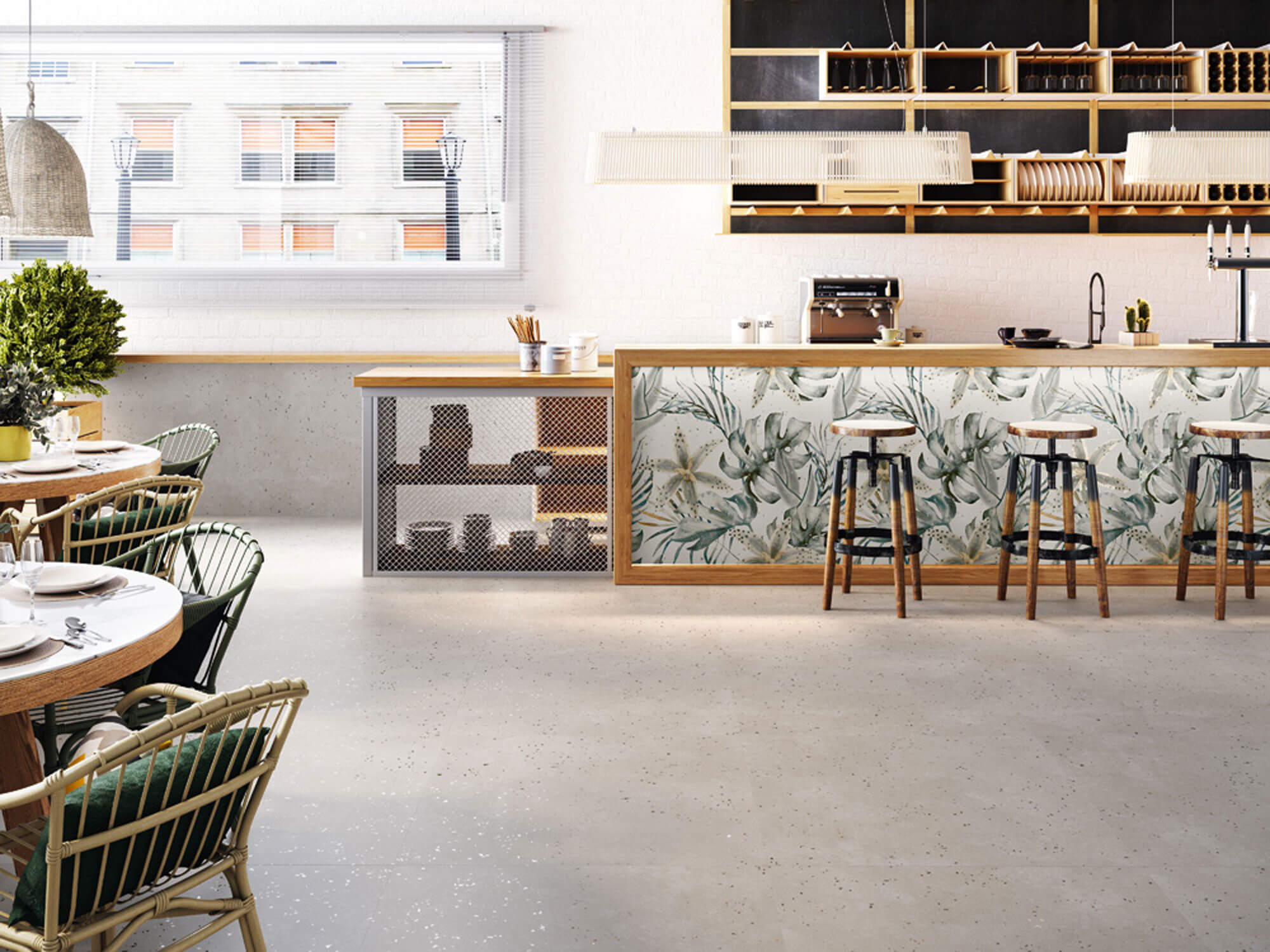
Ceramic tiles for kitchen walls and floors
Walls and floors serve different purposes within the kitchen. Wall tiles help define the design and protect work areas, while floor tiles must be suited to everyday use and meet the technical requirements of each project.
Kitchen tiles and wall tiles
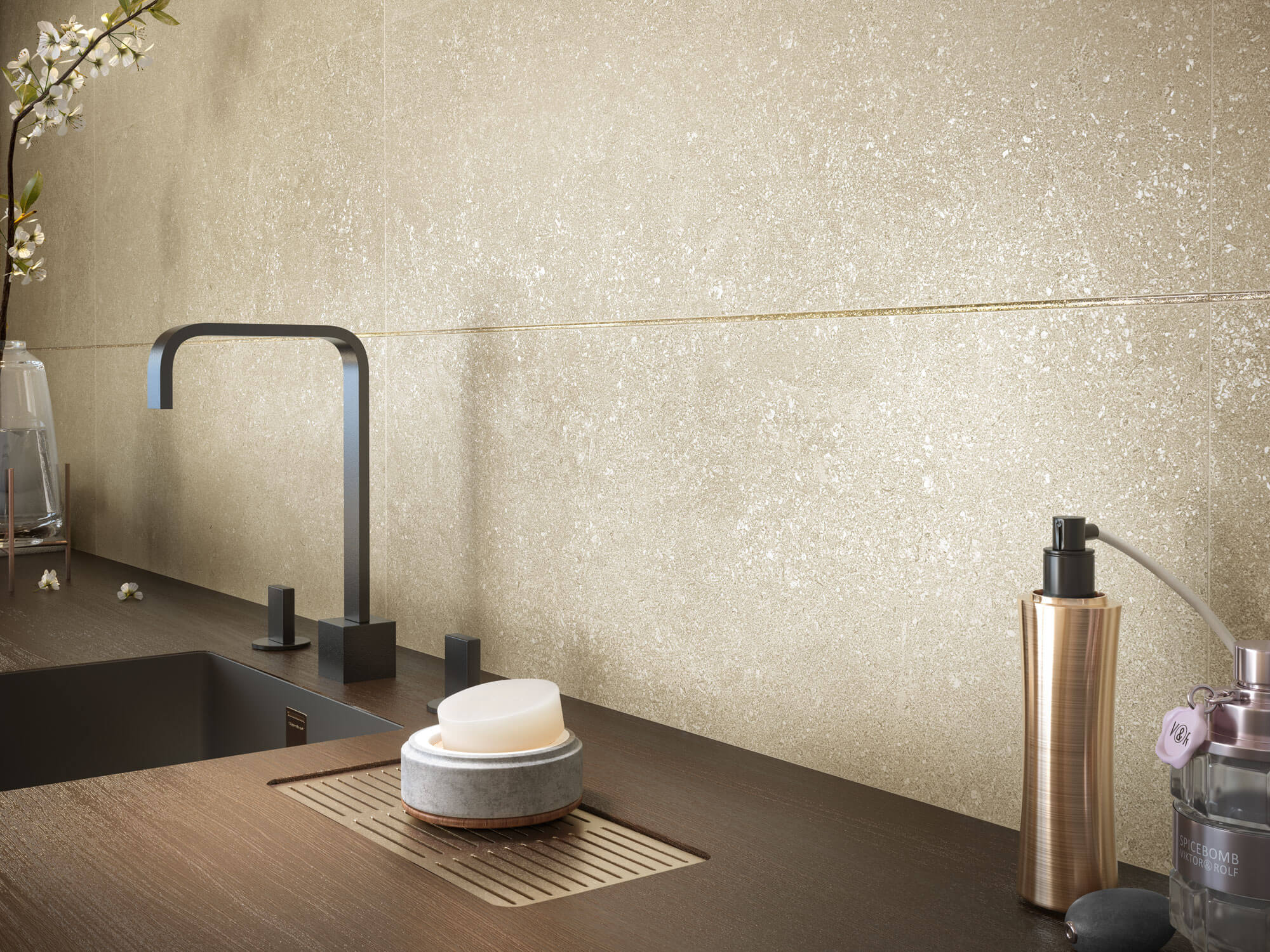
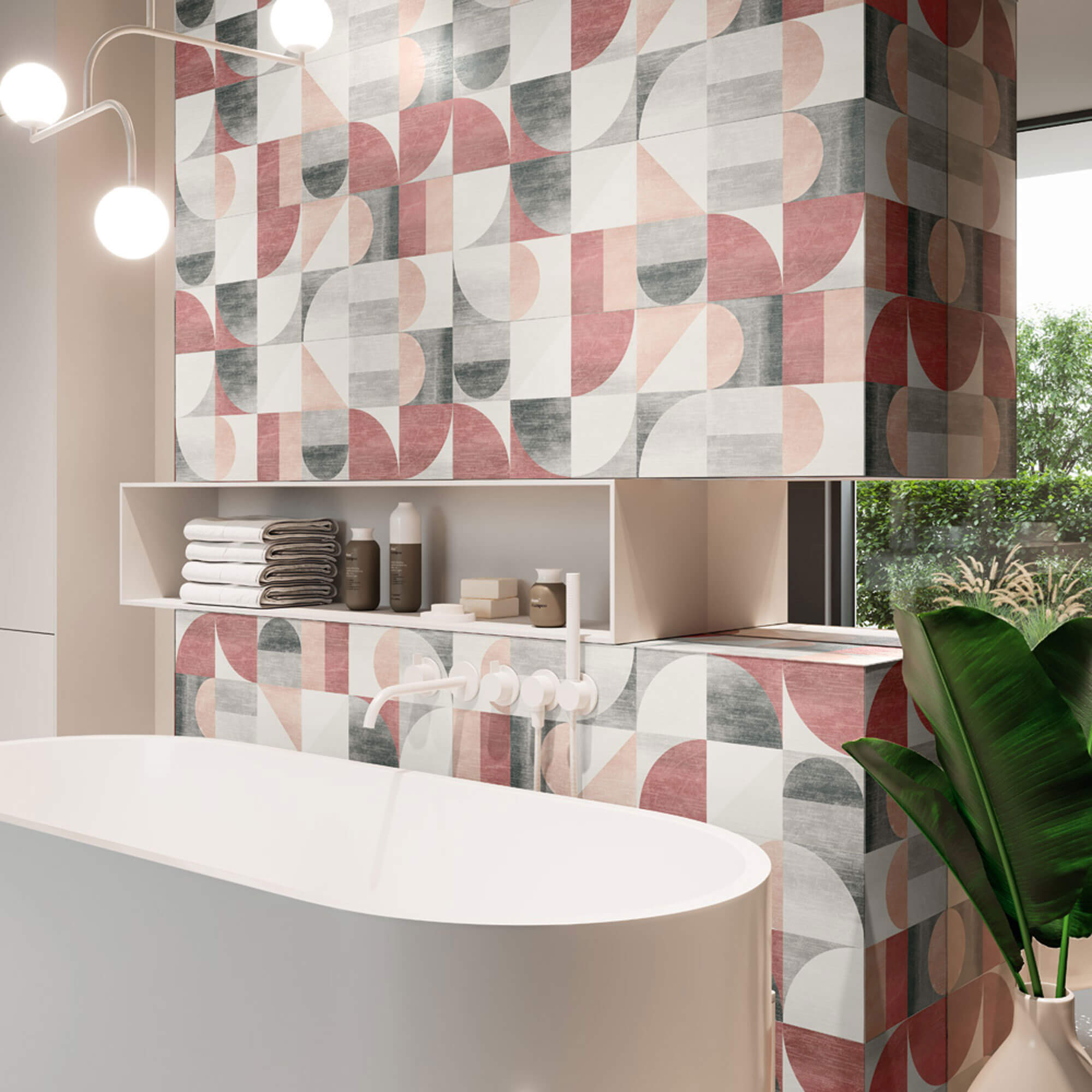
The ceramic wall tiles for kitchens allow you to work with different colours, formats, reliefs, textures and effects. They can be used to create a consistent design or highlight specific areas, such as the splashback between the worktop and kitchen units.
Kitchen flooring and floor tiles
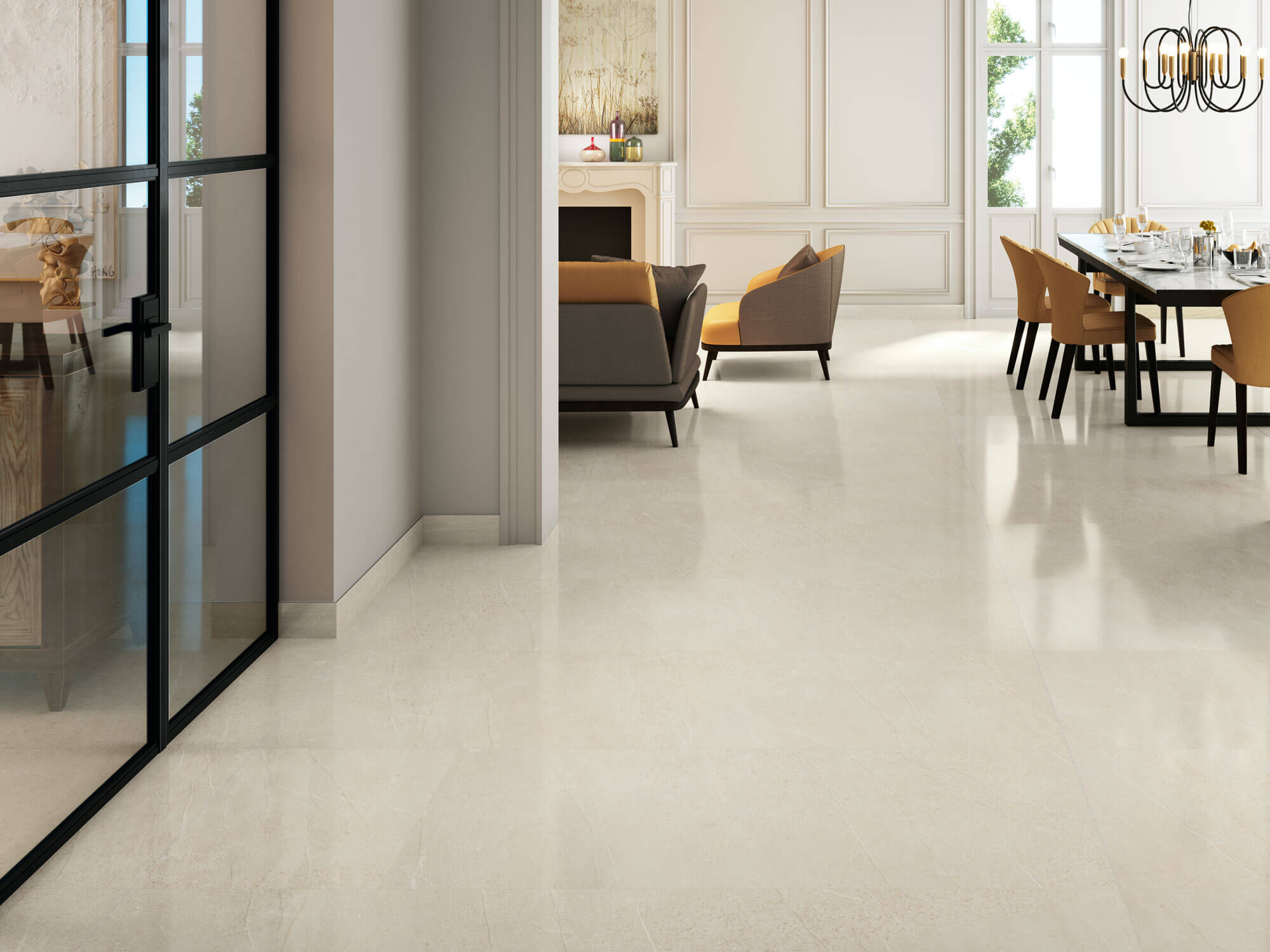
The kitchen flooring must be suitable for the everyday use of the space. As well as design, it is important to consider the finish, maintenance requirements and technical characteristics of each collection. It can also create visual continuity between the kitchen and other rooms.
How to choose ceramic tiles for your kitchen
When choosing ceramic tiles for a kitchen, it is important to consider the surface where they will be installed, everyday use, the size of the space and how they relate to the kitchen units, worktop and other materials.
Choose according to the surface
Walls and floors have different requirements. For wall tiles, design, colour and texture can be prioritised, while floor tiles must also meet the technical requirements needed for their intended use.
Consider use and maintenance
The kitchen is a frequently used room. Before choosing a product, it is advisable to check the finish, maintenance recommendations and specifications for the surface on which it will be installed.
Define the format, colour and finish
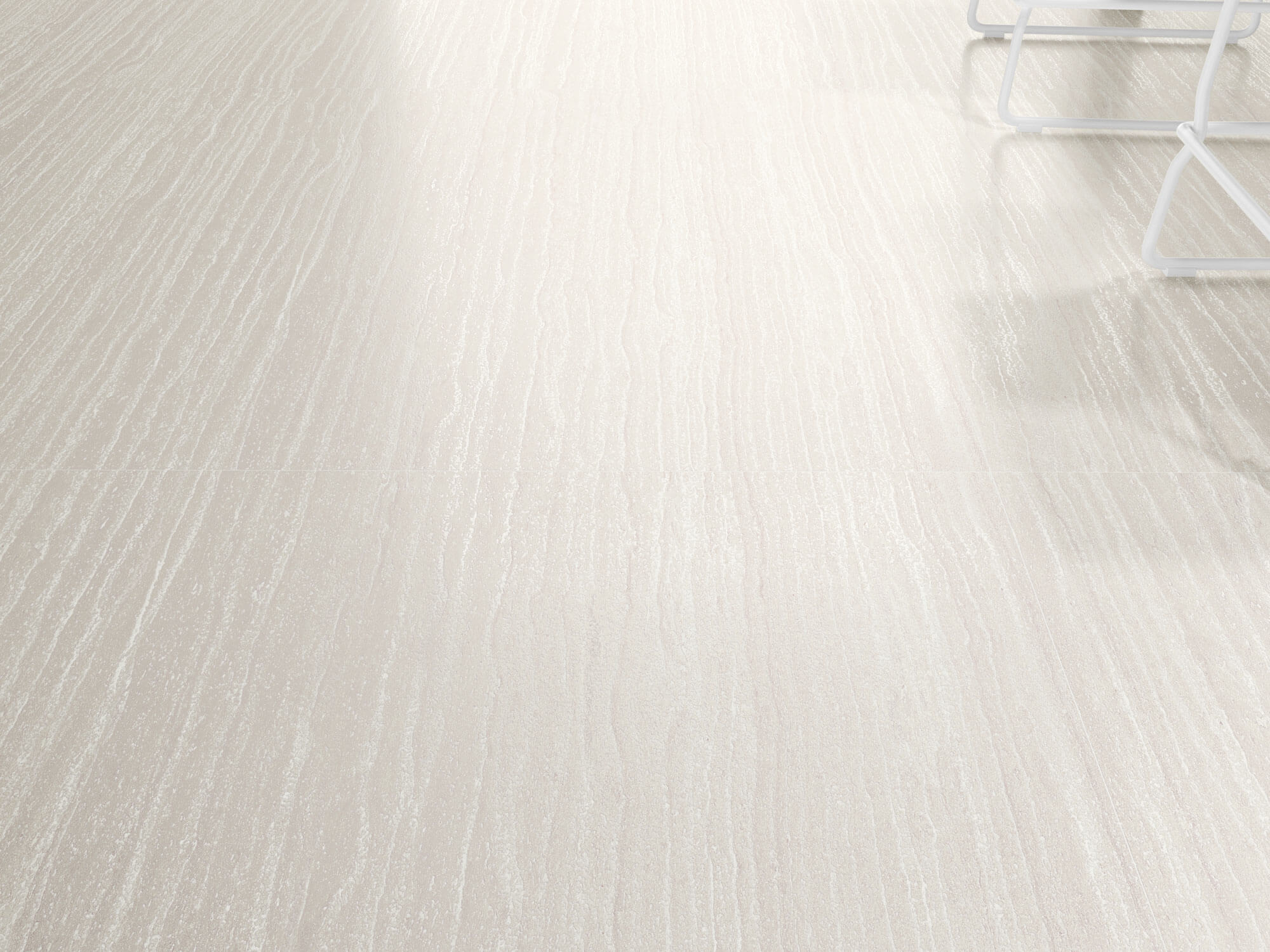
The tile format affects the visual presence of grout lines and the sense of continuity. Colour and finish can enhance brightness, create contrast or connect the different surfaces within the kitchen.
Combine ceramic tiles, kitchen units and worktops
Floor and wall tiles can be coordinated with kitchen units and worktops through either continuity or contrast. Colour, texture and ceramic effects help bring all the elements together within a cohesive design.
How to combine kitchen floor and wall tiles
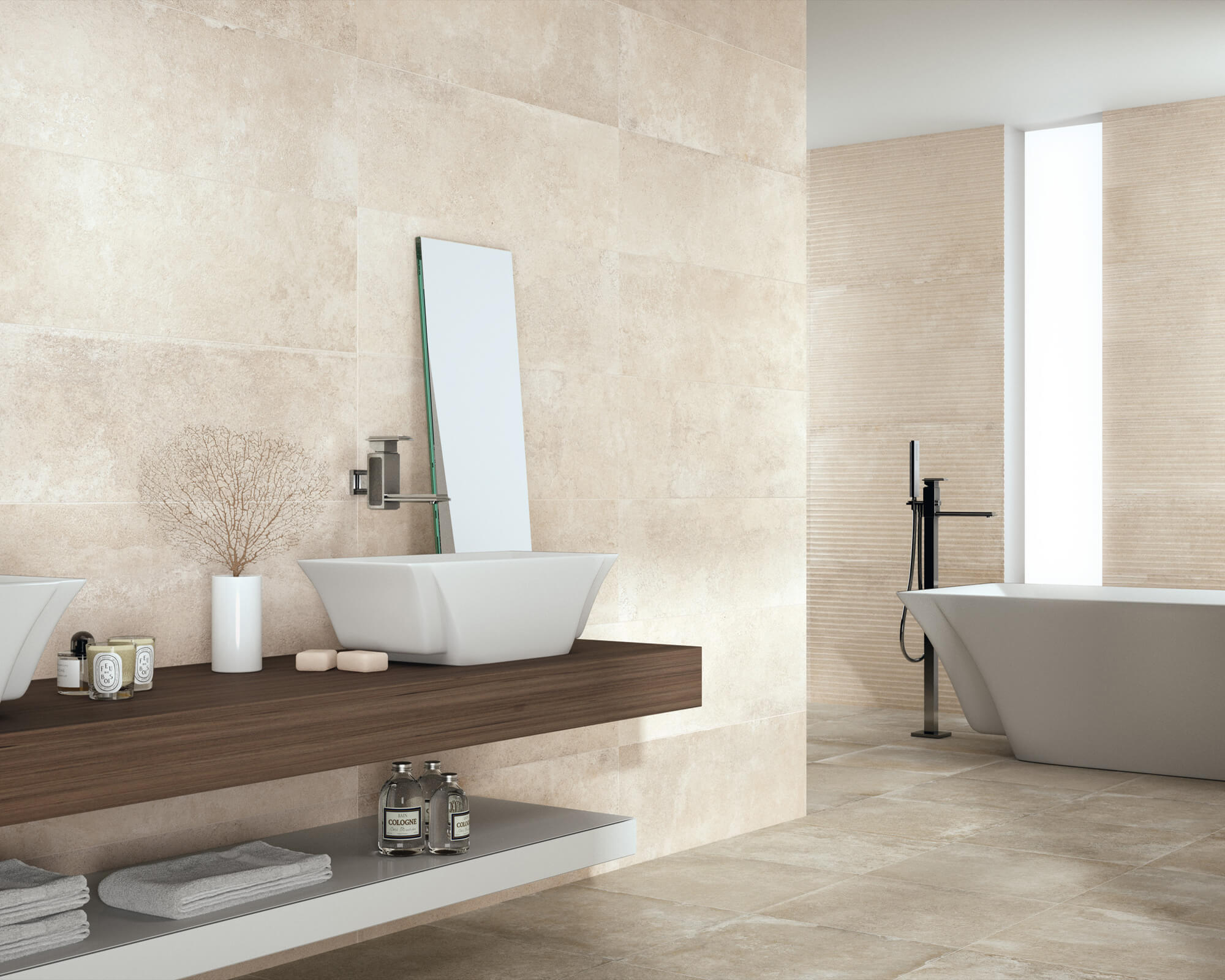
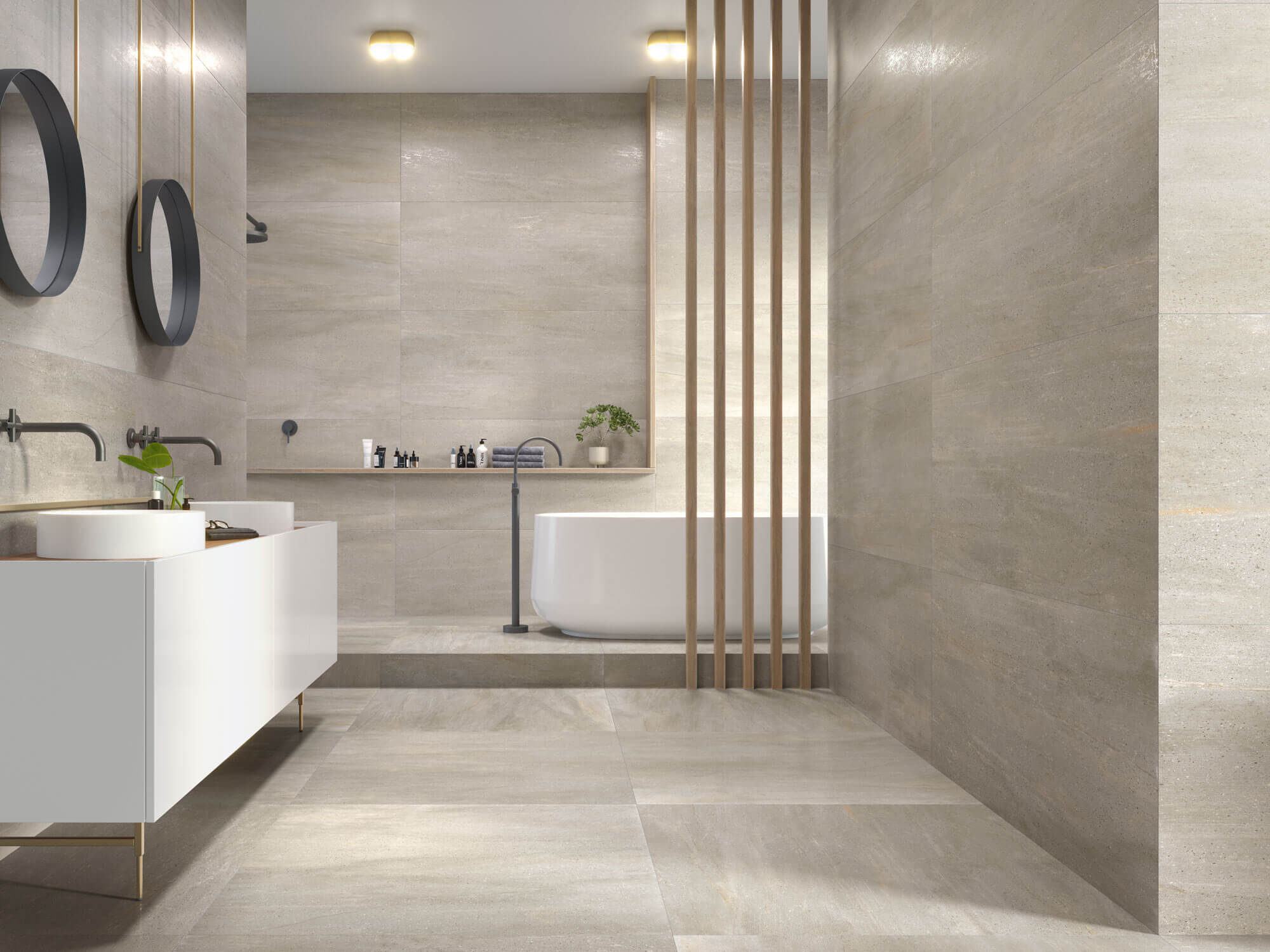
The combination of floor tiles, wall tiles, kitchen units and worktops plays a major role in the overall appearance of a kitchen. Using similar tones and textures can create continuity, while introducing different colours, formats or effects can create contrast and highlight specific areas.
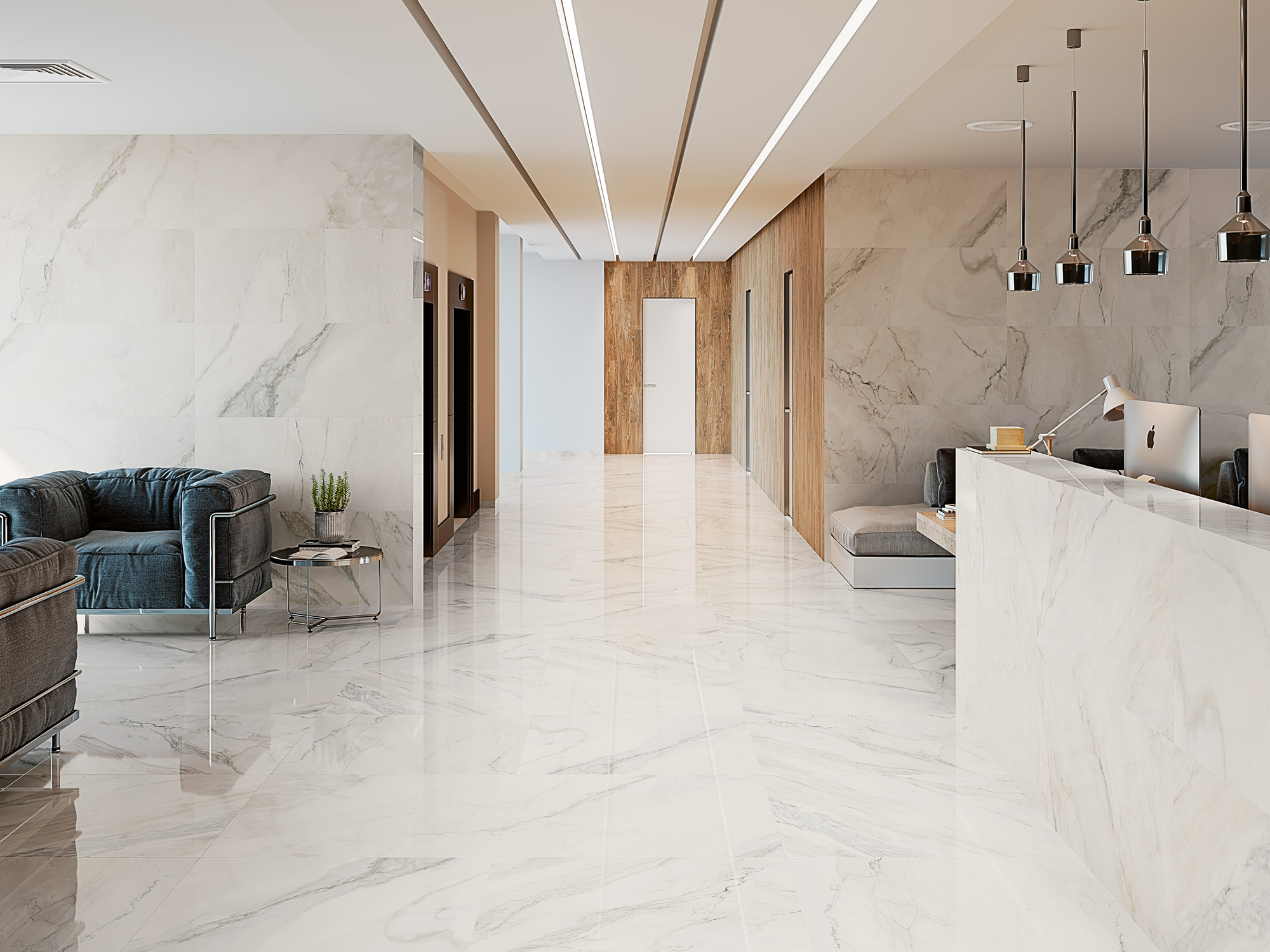
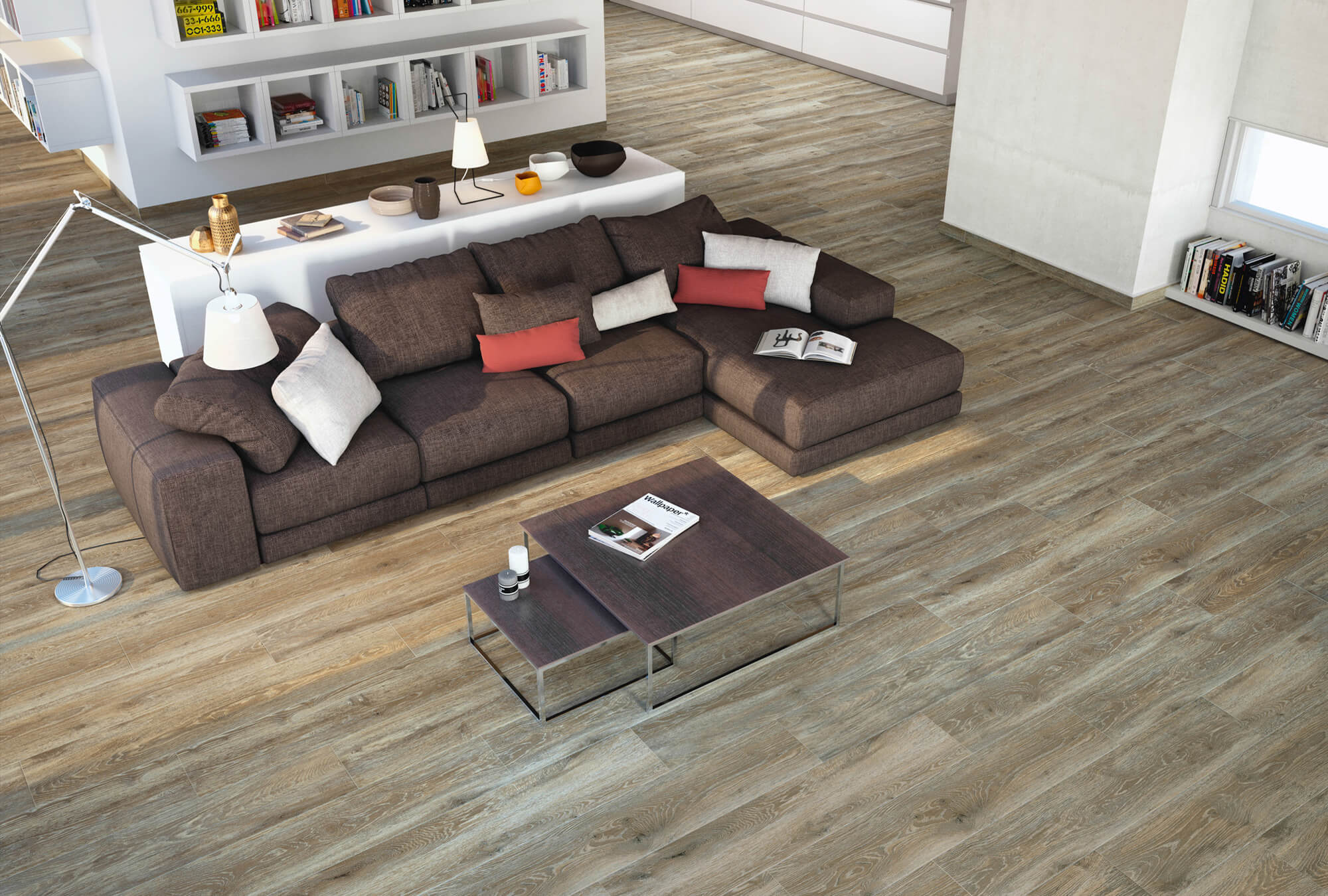
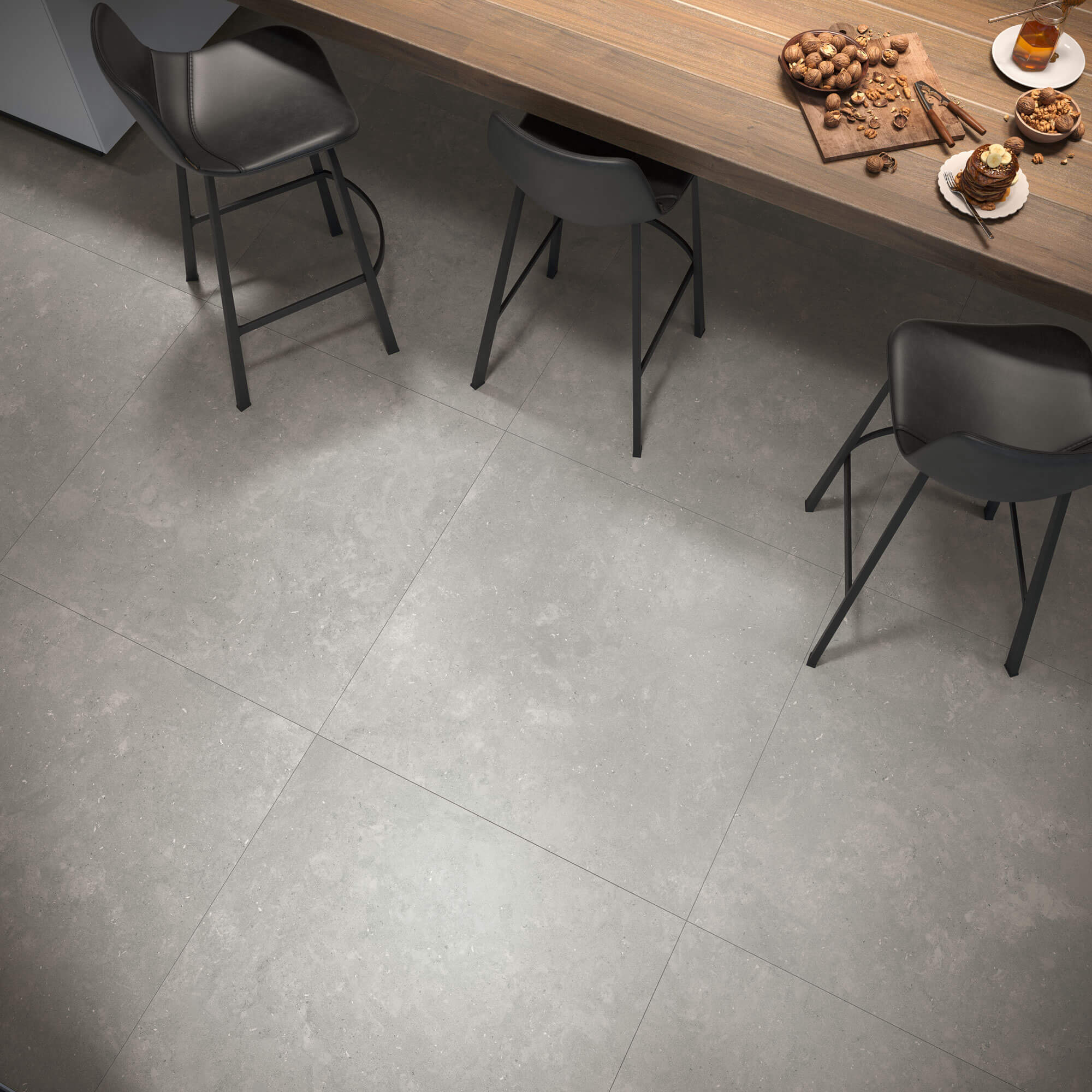
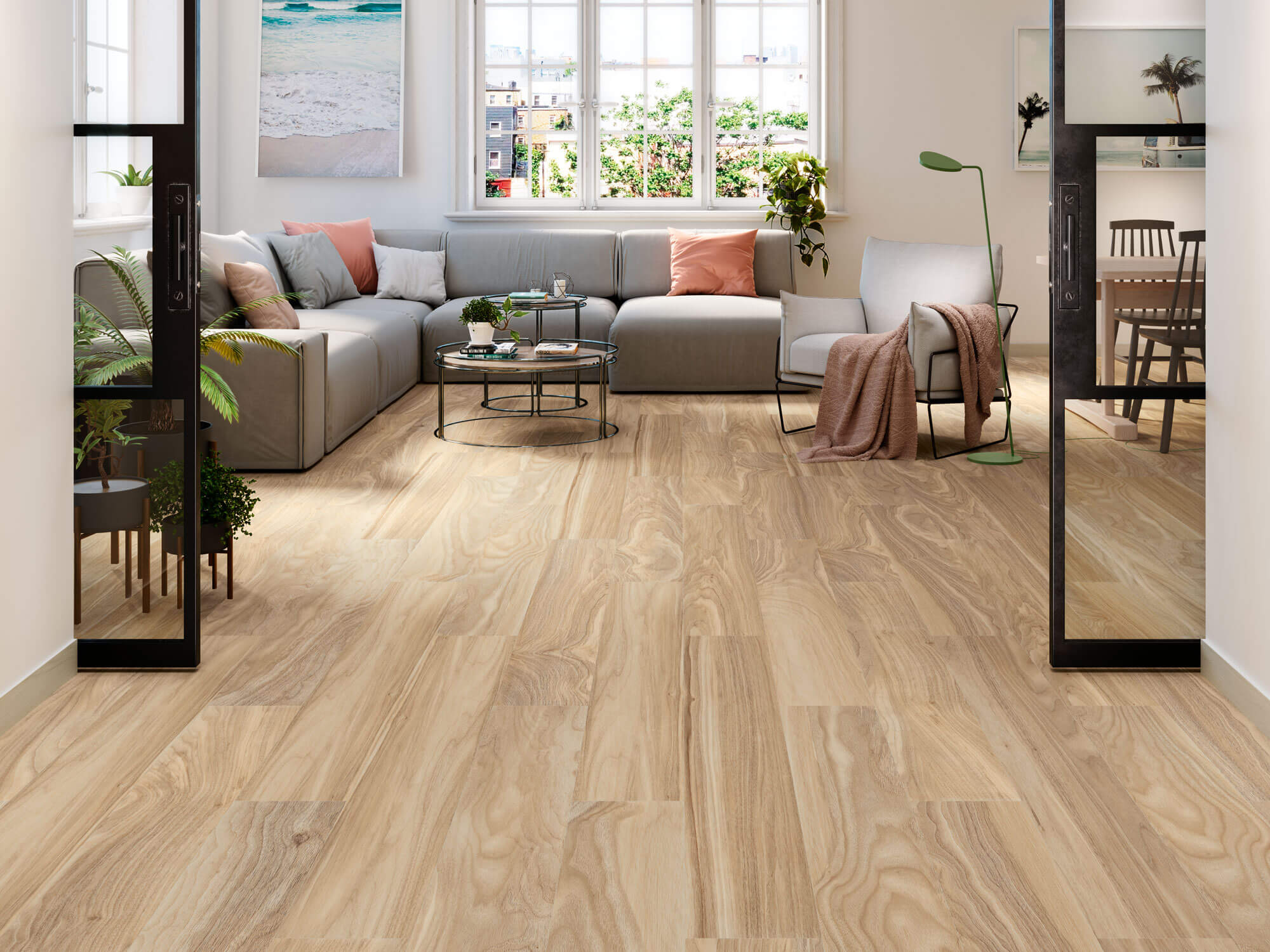
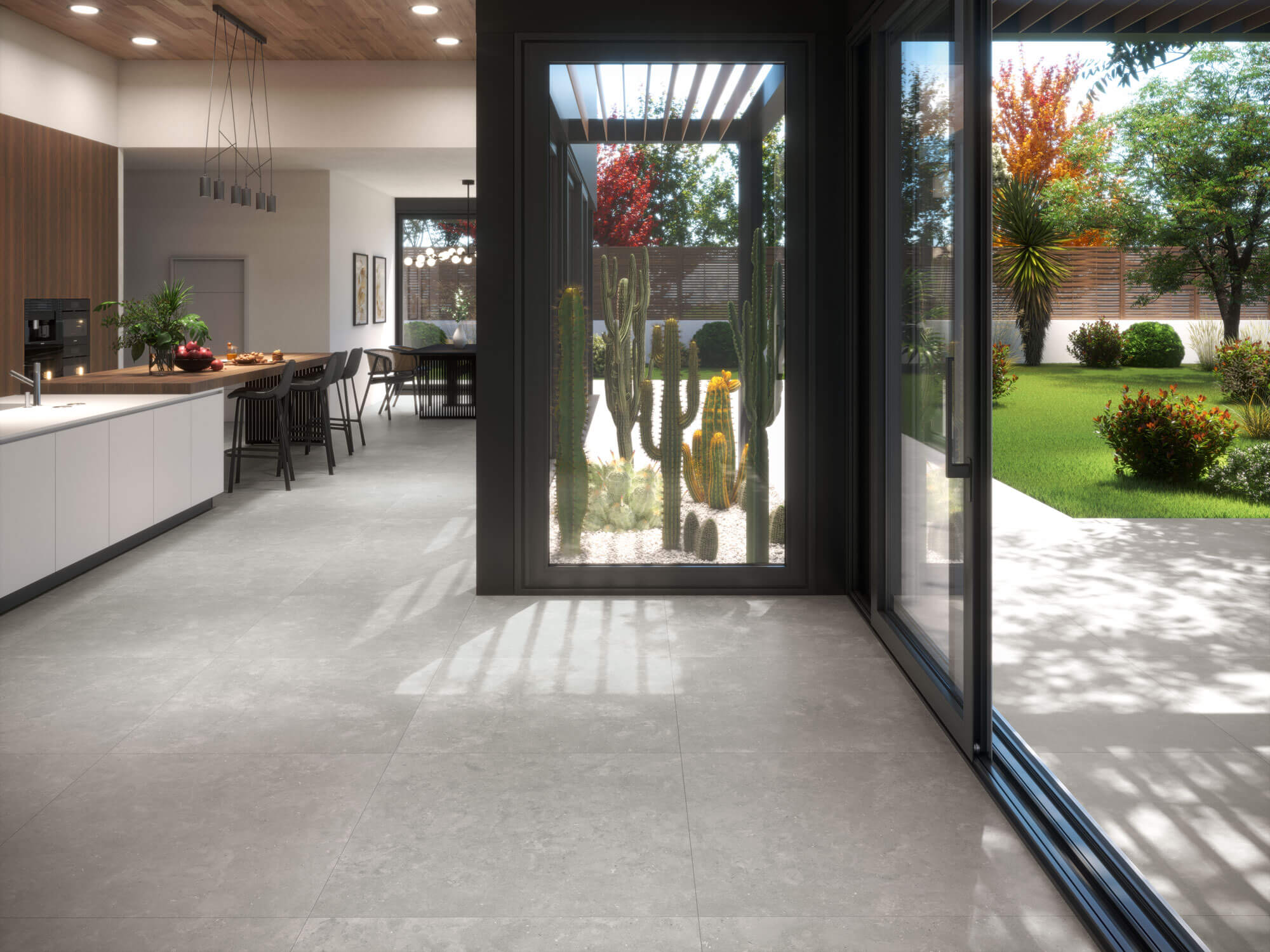
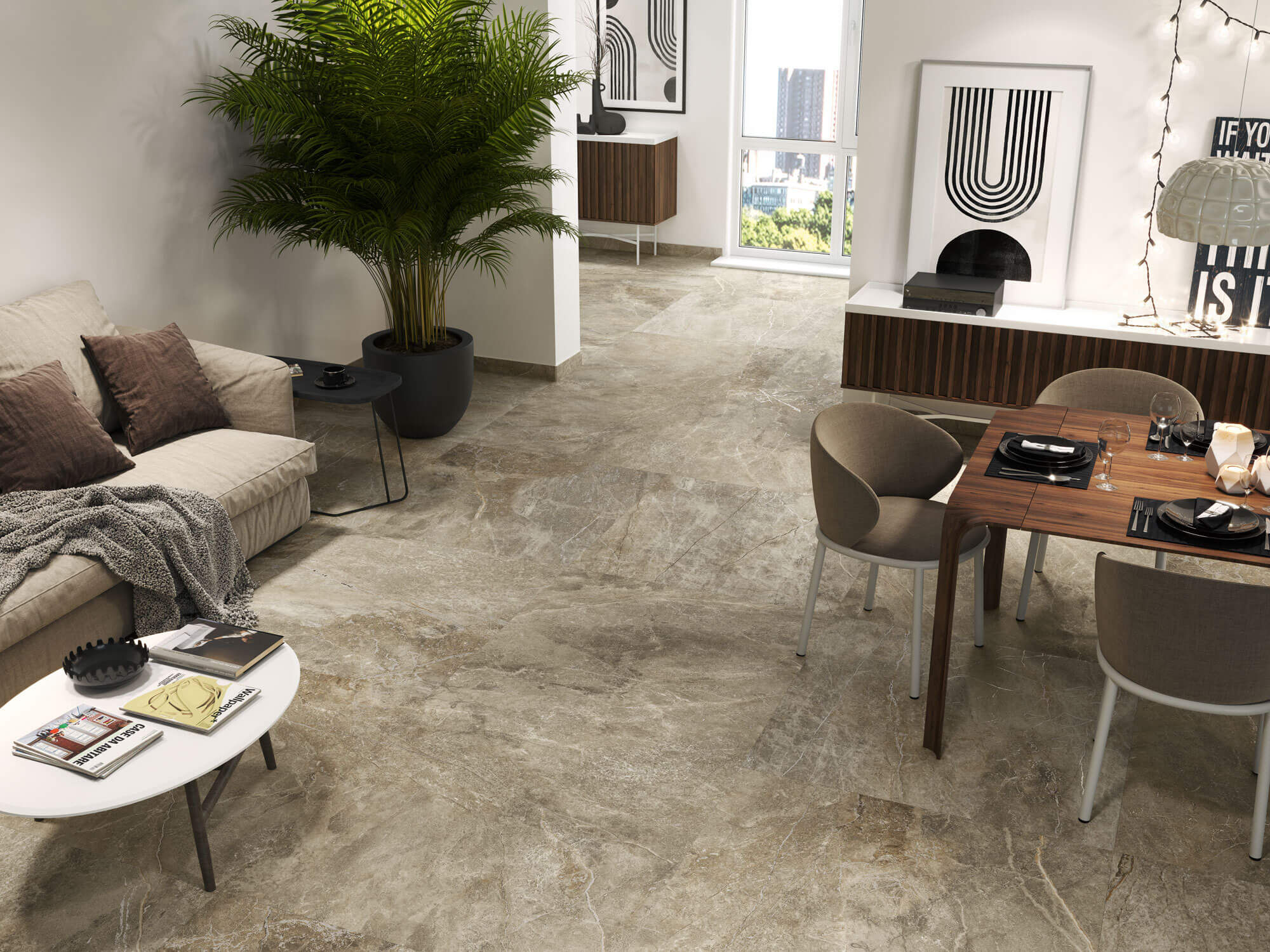
In open-plan kitchens, using the same flooring can help visually connect the kitchen with the dining or living area.
Ceramic tile collections for kitchens
Explore Porcelanite collections and discover wall and floor tiles for different kitchen styles. Browse the available formats, colours, finishes and features in each range to find the solution that best suits your project.
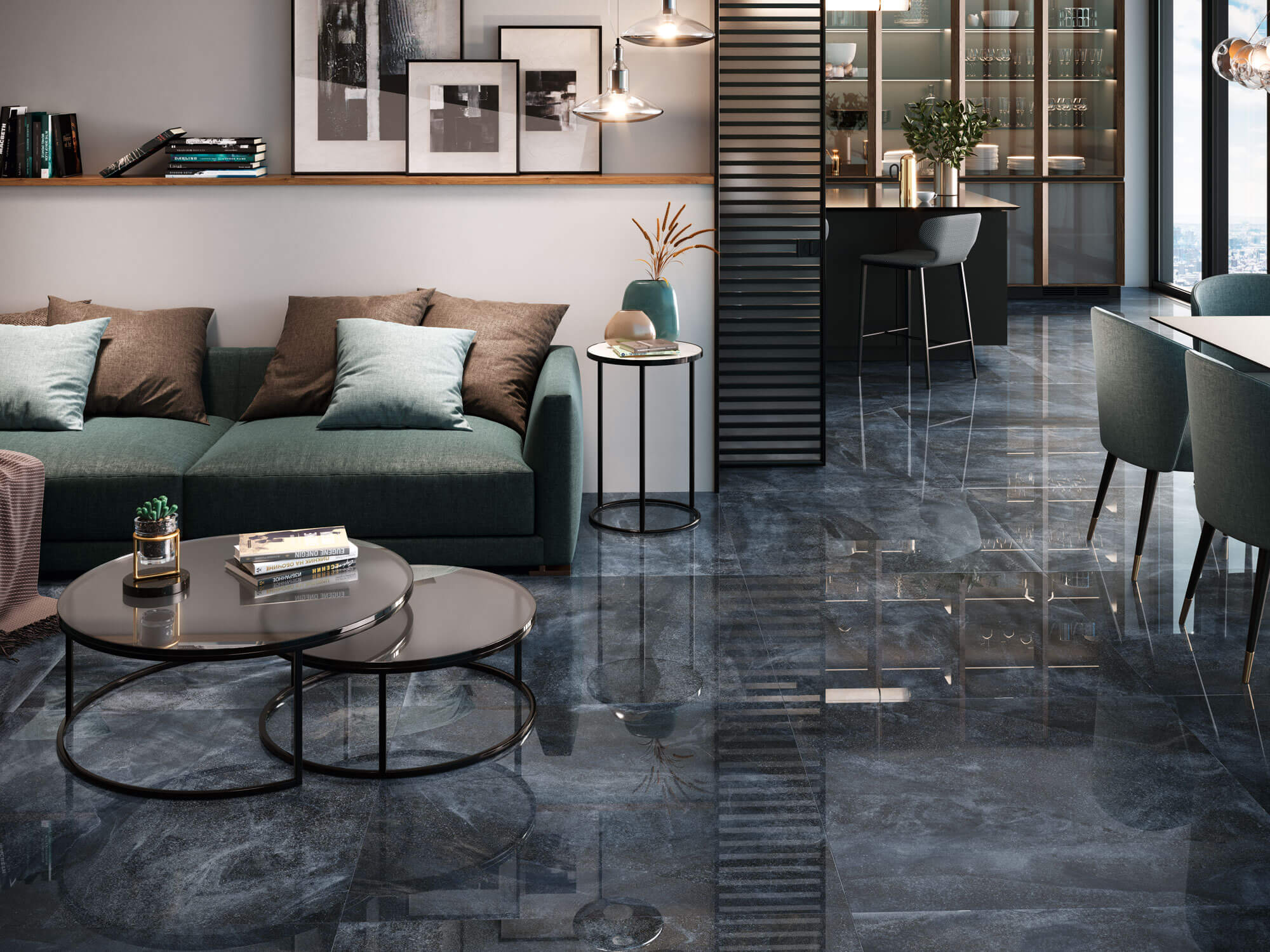
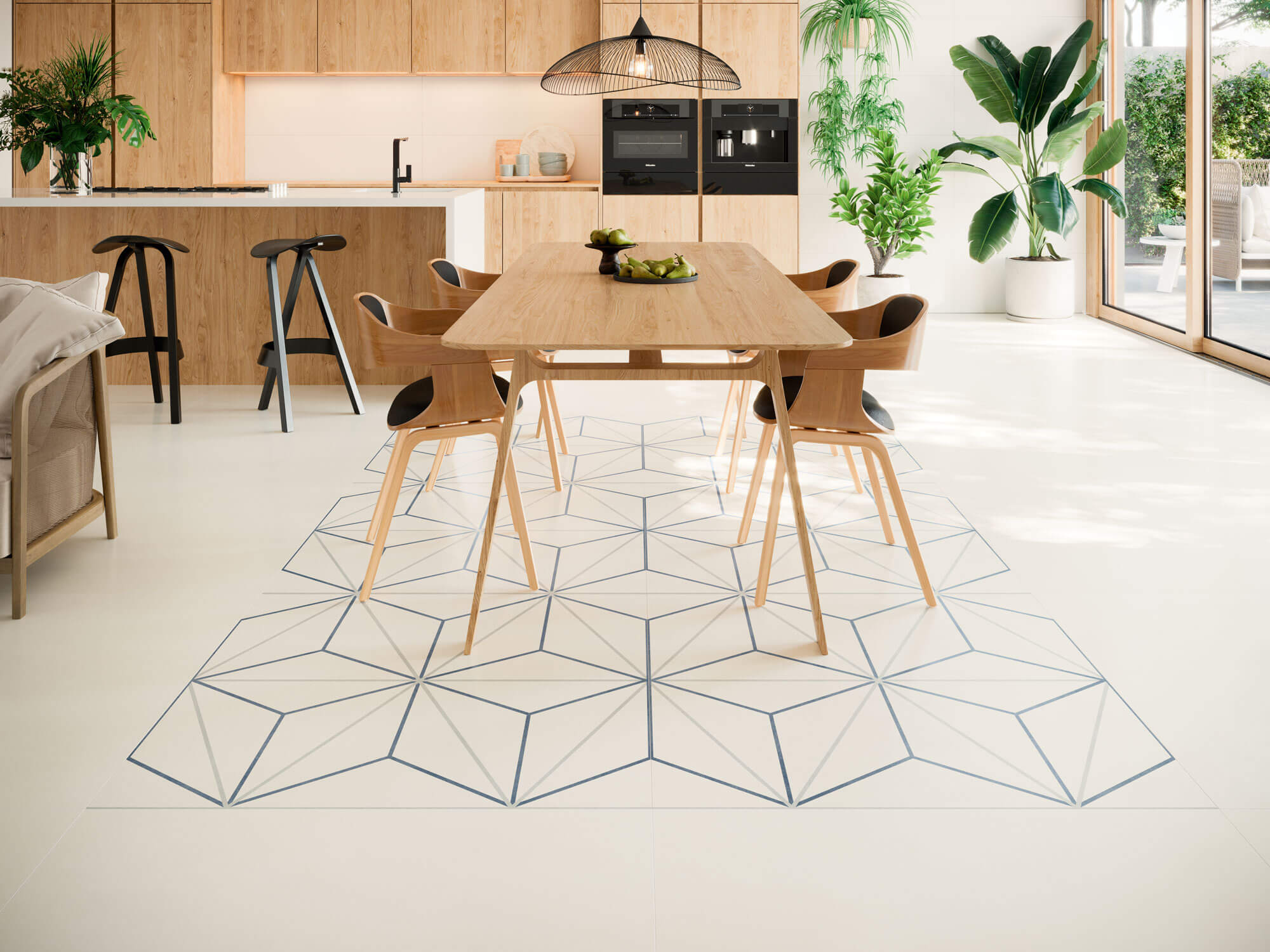
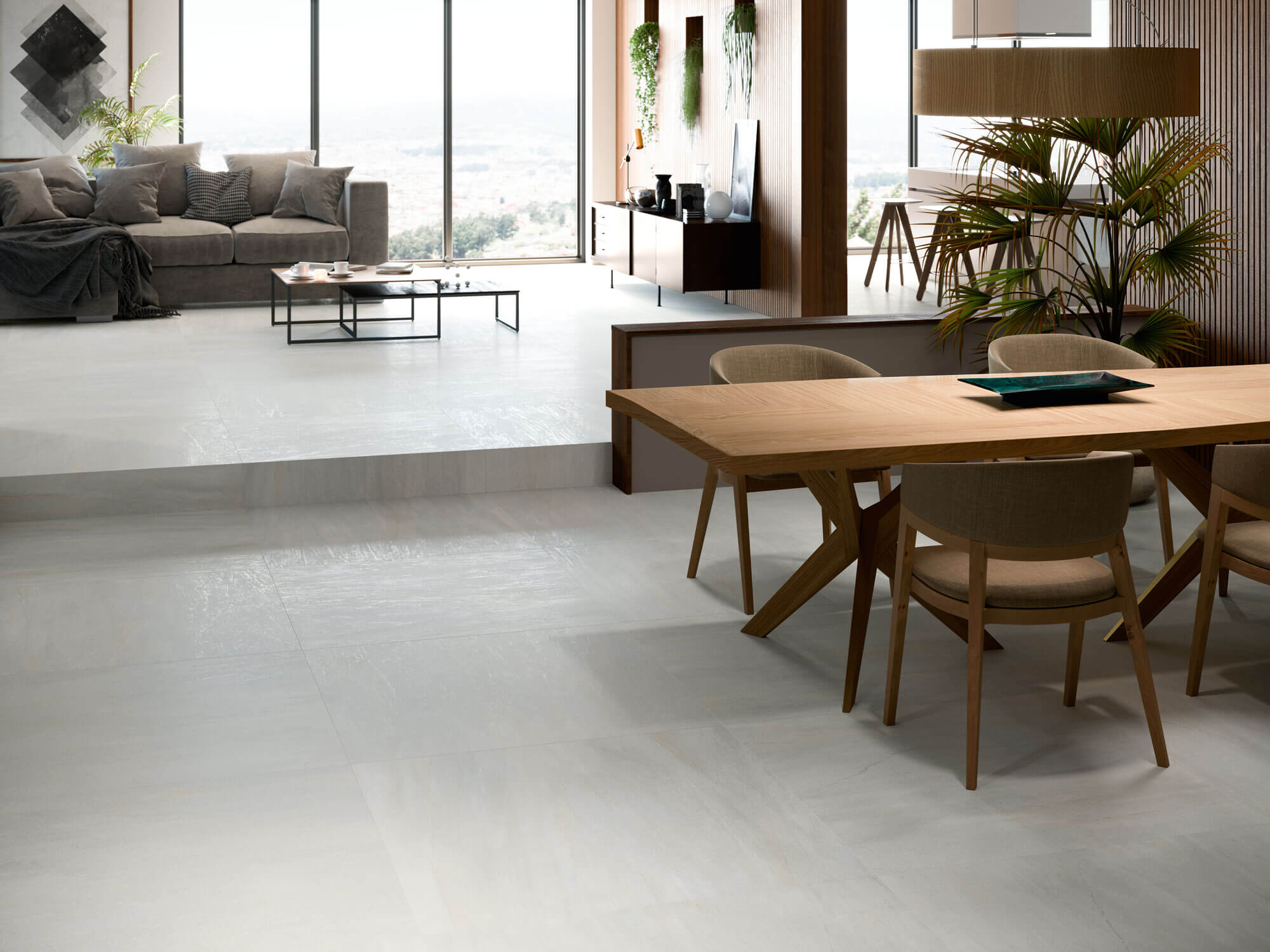
Frequently asked questions about ceramic tiles for kitchens
The choice depends on the surface and intended use. Ceramic wall tiles can be used to define the design and protect specific areas, while tiles intended for flooring should be selected for the floor. It is always advisable to check the technical specifications of each collection.
Wall tiles are primarily intended for walls, while floor tiles are designed for installation on floors. Some collections may be suitable for different applications, but the technical data sheet for each product should always be checked.
Light colours can help enhance brightness and create a lighter visual feel. The final result also depends on the lighting, the colour of the kitchen units, the tile format and the continuity between walls and floors.
A white kitchen can be designed using either continuity or contrast. Light tones maintain a bright appearance, while greys, natural shades and stone-, wood- or concrete-effect tiles can add depth and help distinguish different surfaces.
Yes, provided the selected floor tiles are suitable for their intended use in both spaces. Using the same collection can create visual continuity in open-plan kitchens, while combining different surfaces can help define each area.
Wall tiles can be coordinated with the worktop using similar colours and textures, or used to create contrast. It is also important to consider the colour of the kitchen units, the lighting and the flooring to maintain a cohesive overall design.
The format should suit the surface and the desired visual effect. Large-format tiles reduce the visual presence of grout lines and create a more seamless appearance, while smaller tiles can be used to create decorative compositions and highlight specific areas of the wall.
Looking for the right ceramic tiles for your kitchen?
Find wall and floor tiles suited to the style, layout and requirements of your kitchen. Contact the Porcelanite team to discover collections, formats, colours, finishes and technical features, and choose the ceramic tile solution best suited to your project.